
Search Beaver Dam Residents Directory
Beaver Dam Residents Directory searches usually begin with the city clerk or police department, then move to Dodge County when the record leaves city control. The city clerk handles official public records and city council records, while the police department handles law enforcement records. Dodge County adds the wider property, court, and public records layer. That makes the search local but not closed. If you know the record type first, you can move to the correct office quickly and avoid a broad request that has to be sorted out later.
The cleanest Beaver Dam search starts with a simple question. Is this a city file, a police file, or a county trail? Once you answer that, the rest of the path is easier to follow. A resident name can show up in city minutes, a county court index, or a state vital record file, and each one needs a different office.
Beaver Dam Residents Directory Sources
The city clerk is the first city source. The Beaver Dam city site says the clerk maintains official public records and city council records. That makes it the right place for a meeting packet, a resolution, a city notice, or another administrative file. For a Beaver Dam Residents Directory search, the clerk is the best first contact when the record clearly belongs to city government.
The police department is the law enforcement source. The Beaver Dam city site says the police department maintains law enforcement records, so incident reports and related public safety files should start there. That matters because a resident search can turn into a police search very quickly. If you start with the city clerk for a police file, the request will take longer than it should.
Dodge County is the next layer. The Dodge County main page is the broad county entry point when a Beaver Dam Residents Directory search needs county records, court context, or property information. Even though the local research is thin on detailed county services, the county page still matters because it tells you where to move when the city office cannot answer the question. That county step is often the bridge from a city name to a county file.
County and state tools fill in the rest. WCCA gives you the statewide case index, so a name or citation can be checked before you ask for a county copy. Wisconsin DHS Vital Records is the backstop for certificate questions, and Wisconsin public records law explains the access framework behind the request. Those links are useful when the Beaver Dam search moves from a local office to a broader record trail.
Search Beaver Dam Residents Directory
Begin with the city clerk for city records. If the request is about council business, a public notice, or an official city document, the clerk is the right custodian. A Beaver Dam Residents Directory search is cleaner when the request starts with the office that already holds the file.
Use the police department when the record is about a call, report, or incident. Law enforcement records often need a different release path from city administrative records, and that difference matters even when the address is the same. If the case becomes a citation or municipal ordinance issue, the city record may also point you toward court records.
Dodge County becomes useful when the search needs land, case, or broader local context. WCCA can show the statewide case index, while the public records law gives the release framework behind the request. If the record is older or tied to a family trail, DHS Vital Records and the Wisconsin Historical Society can help fill in the state side of the search. That layered path keeps the Beaver Dam Residents Directory page practical instead of generic.
If you only know a name, work outward in that same order. Check the city clerk for a municipal file, the police department for a report, and Dodge County for court or property context. Then use the state portals if the file is older or the city and county sources only give you part of the answer. That staged method saves time and keeps the Beaver Dam Residents Directory search from becoming a guess.
If the city office gives you only a reference, do not stop there. Use the county site to see whether the trail turned into a court, land, or tax record. Then use WCCA to decide whether the case is a court matter at all. That order keeps the request focused and avoids sending the same question to three offices at once.
Beaver Dam Residents Directory Records
Beaver Dam Residents Directory searches are easiest when you divide the work into city, county, and state layers. City records are for city business. Police records are for public safety. County records are for the broader local trail. State records are for court, vital, and legal backup when the local office is not enough.
That division is especially useful for a search that starts with a name and ends with a record type. A person may appear in a city meeting file, a police report, a county court file, or a state certificate trail. Each of those records lives in a different system. The best result comes from knowing which one you want before you request a copy.
For state support, the Wisconsin Circuit Court Access portal can confirm the court path, the DHS Vital Records page can handle modern certificates, and the Wisconsin public records law explains the basic access rule. Those links do not replace the city offices, but they do make the Beaver Dam Residents Directory page more complete when the search runs into a state record.
Dodge County is the place to go when the city record points outward. Even without a deep local county trail in the research, the county page gives you the next official step for broader records work. That is important for property, court, and history questions because a city search may stop at the edge of municipal control. A Beaver Dam Residents Directory search stays useful when it shows that edge instead of pretending every file lives at city hall.
The county page matters even when it does not hand you the copy. It tells you that the search has left the city lane and moved into the county record set. That can save time if the clue is a parcel, a court entry, or a family record that was never part of city government in the first place.
Beaver Dam is strongest when you keep the record type in view. City minutes, police files, county court records, and state certificates each belong to a different office. The directory page works when it shows that map clearly and gives the requester the next official stop.
Dodge County Records for Beaver Dam
Dodge County is the county step that matters when the Beaver Dam city office has only part of the record. The county page is the broad entry point, so it is where you go for court context, property work, or a trail that began in the city and ended in county business. That is a normal path for a residents search.
If the question is legal, WCCA can confirm whether there is a case to chase. If the question is a certificate, DHS Vital Records is the safer state backstop. If the question is local history or public access, Wisconsin public records law still sets the baseline. That mix keeps the search tied to the right custodian instead of a general web result.
Beaver Dam Residents Directory Images
This image links to Beaver Dam City and gives the main city entry point for a Residents Directory search.
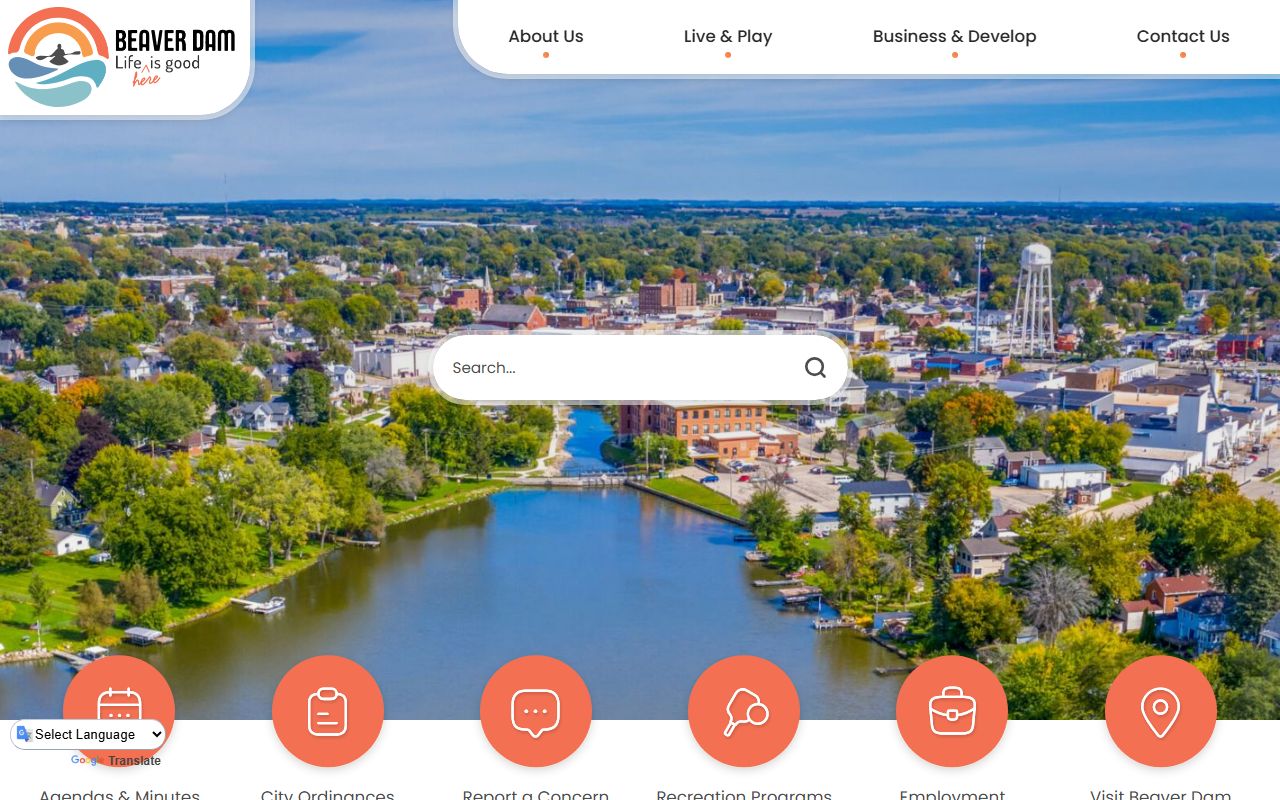
Use it when the record is likely held by the city clerk or another city office.
This image links to Dodge County and shows the county layer that can answer records questions outside the city.

It fits a search that needs county records, court context, or a wider local trail.
Beaver Dam Residents Directory Notes
Beaver Dam works as a city first and county second search. The city clerk handles records and council files, the police department handles law enforcement files, and Dodge County gives the broader records path when the city record is not enough.
If the record touches a court case or certificate, the state tools are the safe fallback. That keeps a Beaver Dam Residents Directory search tied to the right office instead of relying on a general web search.
Note: Beaver Dam Residents Directory searches move fastest when you choose the city clerk, police department, or county office before you ask for the record.