
Search Chippewa Falls Residents Directory
Chippewa Falls Residents Directory searches work best when you start with the office that already owns the record. The city site is the main local doorway for clerk files and police records, while Chippewa County adds the broader court and county layer. That split matters because a name can show up in a city file, a county case, or a state record, and each one has a different custodian. This page keeps the search practical. It shows where to begin, when to move outward, and how to keep a request tied to the right office instead of a general web result.
Chippewa Falls Residents Directory Sources
The city source is the Chippewa Falls city site. The research says the City Clerk maintains city records, council minutes, elections, and licenses, while the Chippewa Falls Police Department maintains law enforcement records. That is a clean split. If you need a meeting packet, a city notice, or a local administrative file, start with the clerk side. If you need a report, an incident file, or another law enforcement record, start with the police side. A Chippewa Falls Residents Directory search gets faster when the first question is which city office created the record.
Chippewa County is the next stop. The Chippewa County main site gives residents access to county records, which can include court context, property follow-up, and other files that sit outside city control. The county is important because many searches do not end at the city line. They move from a person or address to a county case or county document. That shift is normal, and it saves time when you expect it instead of treating it as a detour.
State tools help with the larger frame. Wisconsin Circuit Court Access is the statewide case index, and Wisconsin Public Records Law explains the access rule behind a request. If a search needs a vital record or a certificate trail, DHS Vital Records is the state source to check. Those links do not replace the city office, but they keep the search grounded when the record leaves municipal control.
How to Search Chippewa Falls Residents Directory
Start with the city clerk when the file is clearly local. City records, council minutes, elections, and licenses belong there. A Chippewa Falls Residents Directory search stays simple when the request is narrow and the office is right. If you know the date, the topic, or the department, include it. That makes it easier for the city to place the request in the right lane.
Use the police department when the file is about a report, call, or public safety event. Law enforcement records often move on a different track from city clerk files, and that difference matters. A police request may need more review if it includes protected material or active case details. If the request starts with a police event number or incident date, keep it tied to that record from the beginning.
Move to Chippewa County when the local office only gives part of the answer. County records help with court follow-up, parcel questions, and broader local context. If you are not sure whether a case belongs to the city or county, check WCCA first, then use the city or county office that matches the result. That order keeps the search from wandering into the wrong inbox.
For older records or state-level confirmation, DHS Vital Records and the Wisconsin public records statute are the safest state tools. They do not replace the local custodian, but they help you see whether the trail ends at a city desk, a county office, or a state file. A short, official path is usually better than a broad search that has to be untangled later.
Chippewa Falls Residents Directory Records
Chippewa Falls city records usually fall into two groups. The clerk side covers city records, council minutes, elections, and licenses. The police side covers law enforcement records. That matters because a resident search can move across both desks even when the person or address is the same. The record type decides the office, not the city name alone.
County records broaden the search. Chippewa County can supply the next layer when the city record points outward or when the file was never a city record in the first place. That can include court context, land records, or another county document that helps confirm the local trail. If a Chippewa Falls Residents Directory search starts with a name and ends with a file, the county layer is often what closes the gap.
State records matter when the city and county sources are only part of the story. WCCA can show a case index, and DHS Vital Records can cover certificate work. The Wisconsin public records law explains why agencies release records and where the limits sit. That state frame matters even for a local page because it tells you how the city and county offices are supposed to respond.
Chippewa County Records for Chippewa Falls
Chippewa County is the right fallback when the search leaves city hall. The county main site is broad, but broad is useful when you do not yet know whether the next office is a clerk, a court, or a property desk. A city search often starts with a narrow clue. The county search turns that clue into a record path. That is where a Chippewa Falls Residents Directory page becomes more than a list of links. It becomes a map.
The county layer also keeps you from assuming every record is held at the city level. That assumption causes delays. A property question may need county records. A court question may need WCCA and then the county office. A vital record question may need DHS Vital Records. When the city answer is incomplete, the county and state layers keep the search moving in a straight line.
If you need only one rule, make it this: start local, then widen the circle. City first for city records. County next for county records. State tools for court or certificate checks. That is the cleanest way to use the Chippewa Falls Residents Directory without turning it into a guess.
Chippewa Falls Residents Directory Images
Chippewa Falls city government is the first visual cue for a local Residents Directory search because it points to the offices that keep city records and police files.
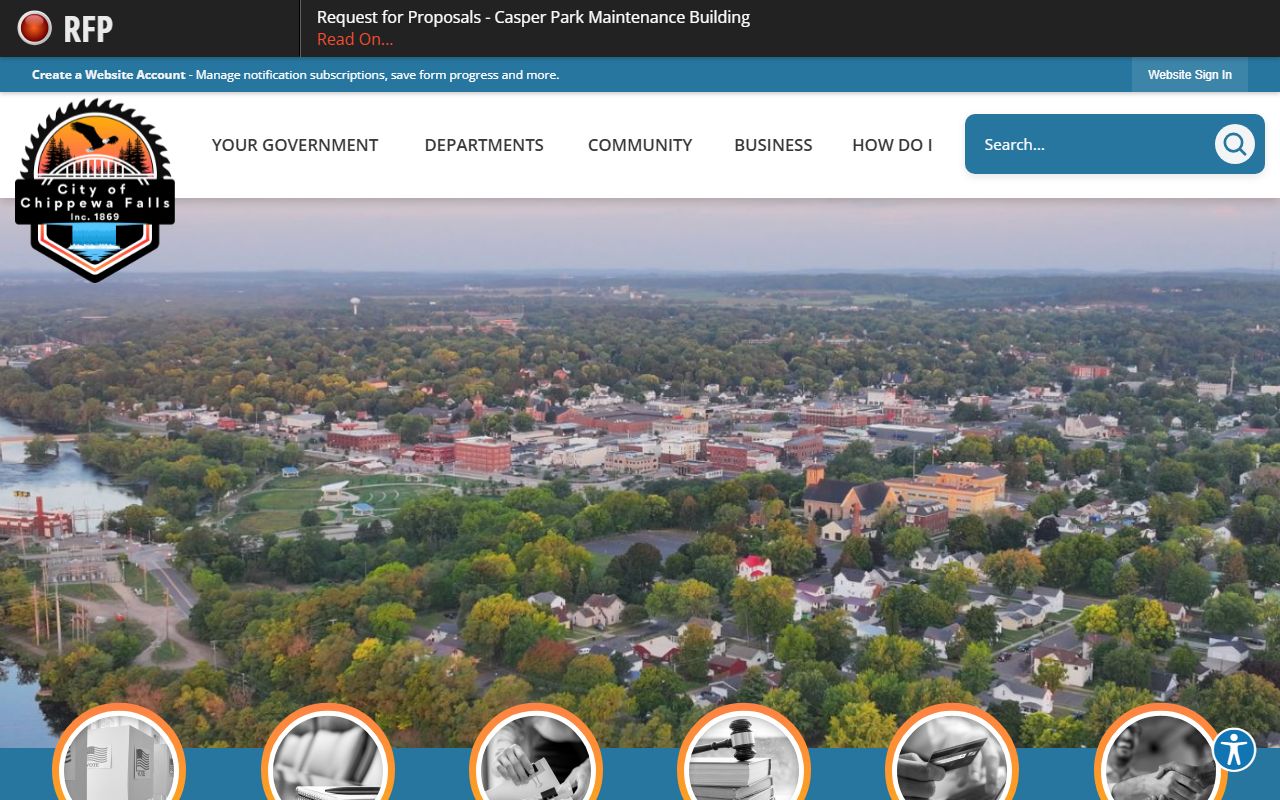
This image fits the city side of the search, where clerk and police records begin to split.
Chippewa County is the county fallback when the city office only gives part of the answer.
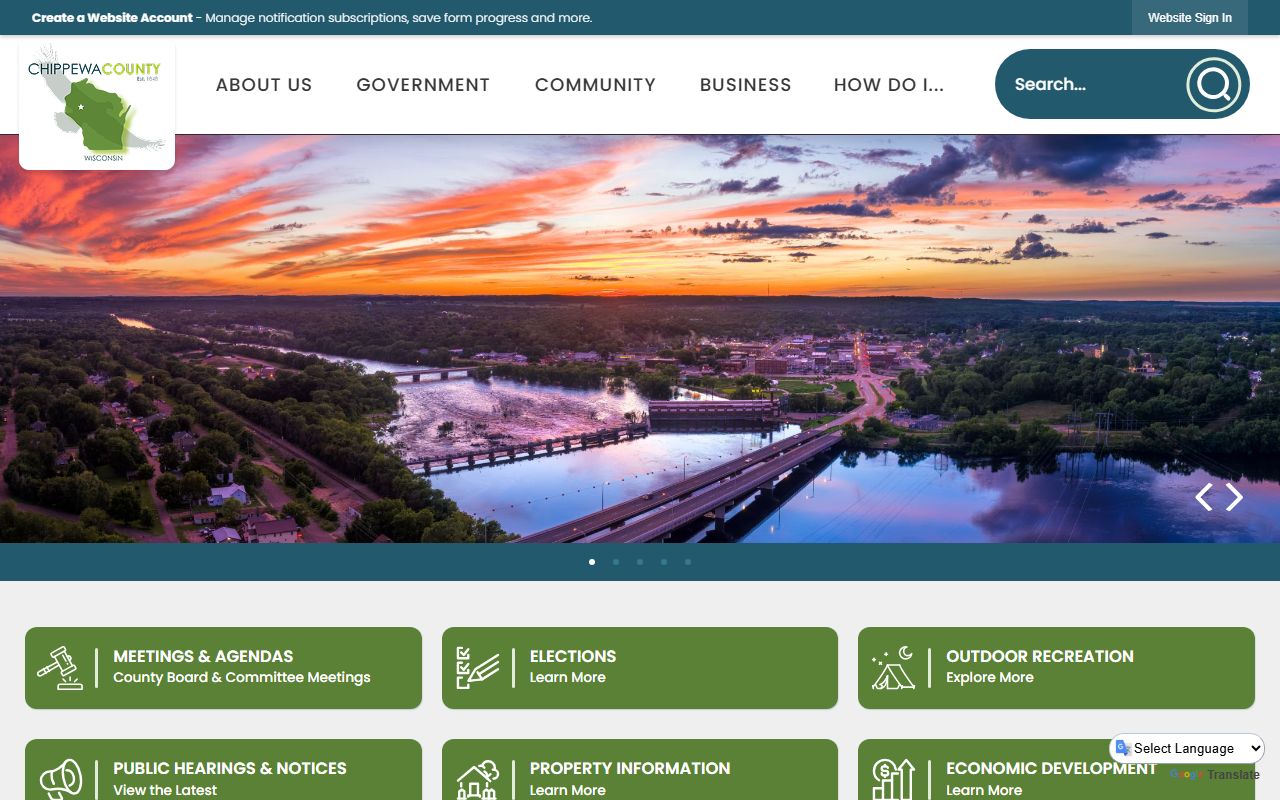
Use it when the trail leaves city hall and moves into county records or court context.
Chippewa Falls Search Notes
Chippewa Falls works best when the office matches the record type. The city clerk handles city records and civic files. The police department handles law enforcement records. Chippewa County adds the broader local layer. WCCA and DHS handle the state checks that finish the search when the local trail is not enough.
That is the practical value of a Chippewa Falls Residents Directory page. It keeps the record search tied to the office that actually holds the file. If you begin with that rule, the rest of the search gets simpler and the result is easier to trust.
Note: A Chippewa Falls Residents Directory search is fastest when you decide first whether the record belongs to the city, the county, or the state.