
Search Kenosha Residents Directory
Kenosha Residents Directory searches work well because the city keeps clear public request routes for police and clerk records, while the county adds a second layer for court, property, and vital files. That means a search can start in the city, then move to Kenosha County without losing the thread. The right office depends on the record type. Police reports, city records, municipal court matters, and county records each sit in a different place. This page keeps those routes in one place so you can move straight to the custodian instead of guessing which office owns the file.
Kenosha Residents Directory Overview
Kenosha Residents Directory Sources
The police records path is the clearest first stop. The Kenosha Police Department keeps law enforcement records, and the repository role sits with Kenosha Joint Services. The research notes a dedicated records desk, a records email, and a records fax line, which tells you Kenosha keeps its records lanes divided. That matters because a Kenosha Residents Directory search gets faster when you match the request to the right city office on the first try.
The city clerk and municipal court are the other city-side tools. The Kenosha City Clerk and Treasurer office maintains city records, while the Kenosha Municipal Court handles traffic citations and municipal ordinance matters. If the search is about a hearing date, a ticket, or a city case, the court is the better route than the police desk. If the question is a city file, the clerk office is the better fit.
Kenosha County adds the broader record layer through Kenosha County itself, plus county court and deed records. The county records tools in the research include property and tax records, a data portal, and joint services records. WCCA and Wisconsin open records law still provide the statewide frame for access.
Kenosha is especially clear about who owns which file. Joint Services keeps the records repository for the police department, but it is still the city police trail that starts the request. The city clerk keeps the municipal records trail. The municipal court handles ordinance and traffic matters. That sort of split is useful because it keeps the request from landing in a place that can only redirect it.
Kenosha police records are a natural first step in a Kenosha Residents Directory search because the city keeps report files in the law enforcement lane.

That office fits the first request when a report, arrest, or crash file is the goal.
Kenosha City Clerk and Treasurer is the city office that handles records outside the police desk.
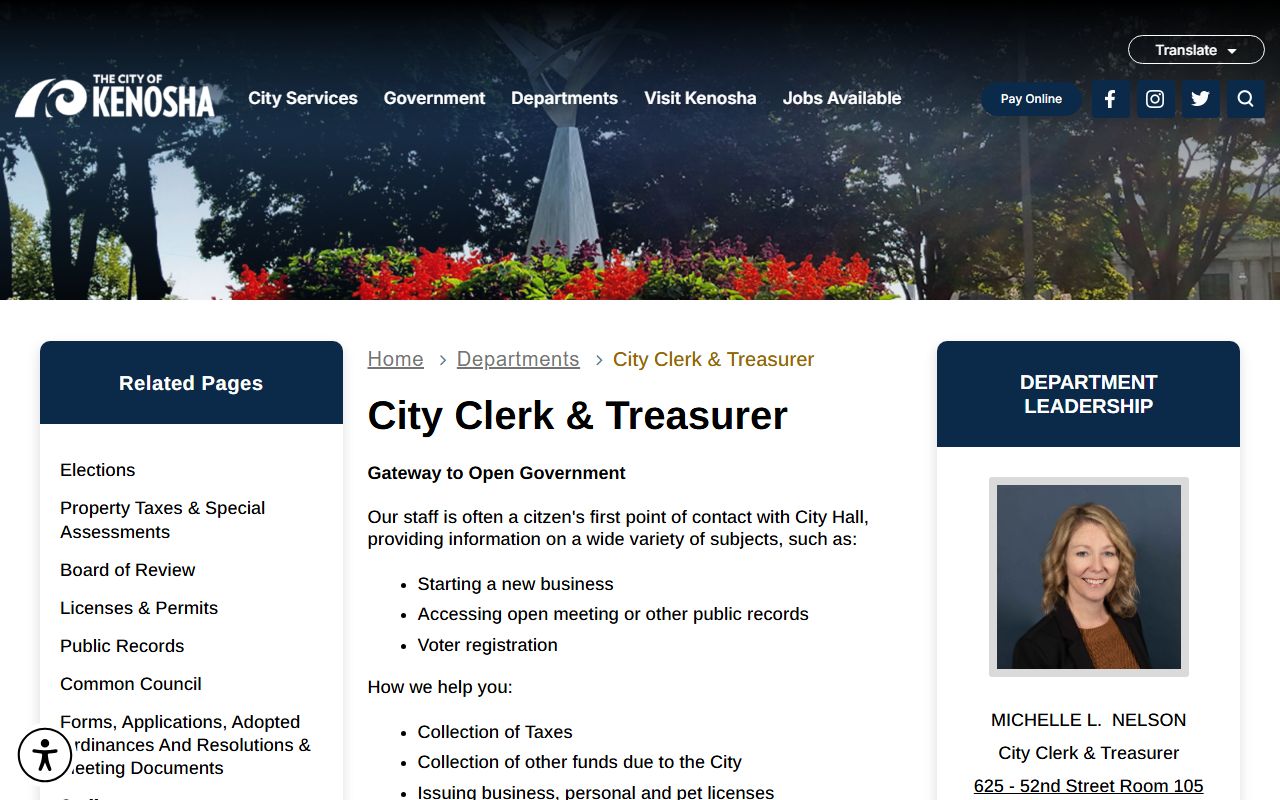
Use it when the record is municipal but not a police file.
Kenosha Municipal Court is the city court stop for ordinance and traffic matters.
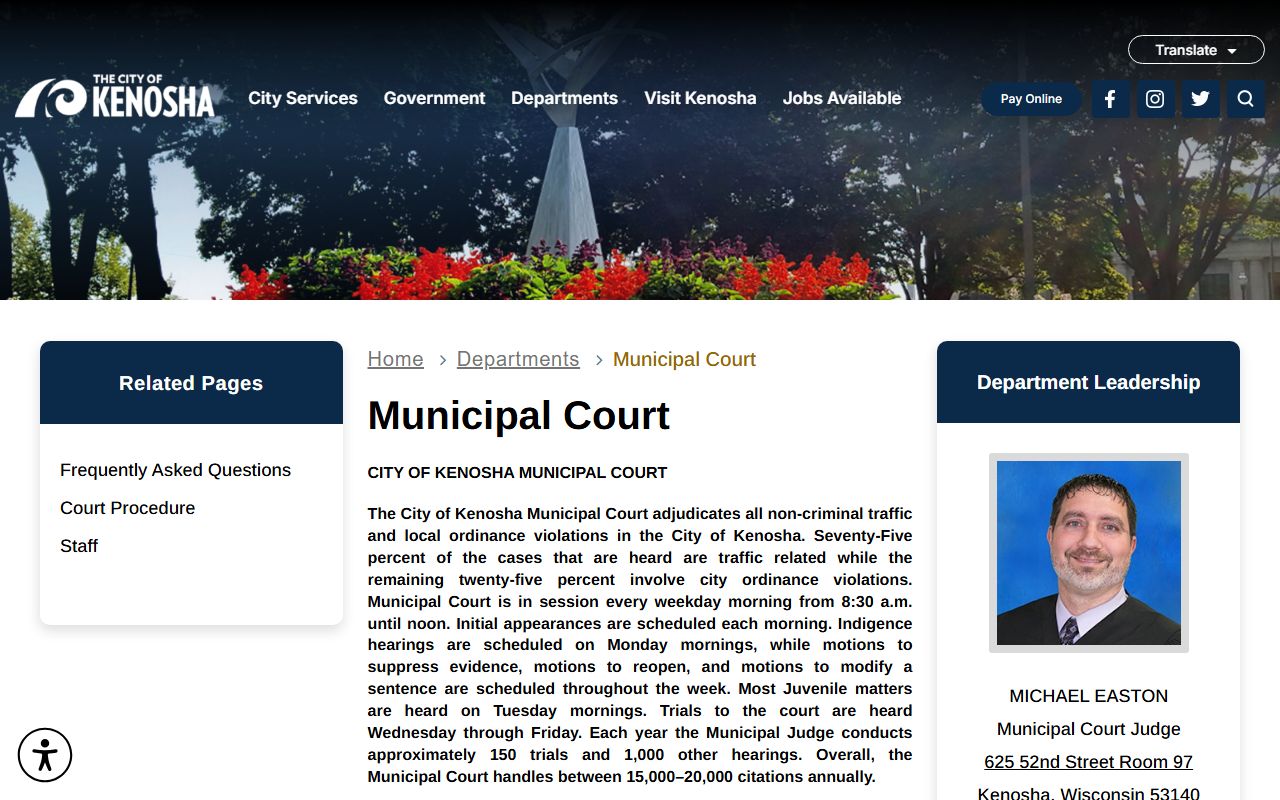
It is useful when the search ends with a citation or a hearing date.
How to Search Kenosha Residents Directory
Start with the office that matches the record type. Police requests go to the records desk. City records go to the clerk and treasurer office. Court matters go to municipal court. County court, deed, and property matters go to Kenosha County. That simple split keeps a Kenosha Residents Directory search from drifting across the wrong portal.
The research shows that the city uses a public records workflow that includes forms and separate department records. That means a narrow request usually works better than a broad one. If you know the date, address, or incident number, include it. That is especially true for police videos or detailed reports, which may need more review. A short and exact request usually gets a faster answer.
If you need county context, start with the county clerk of circuit court or the register of deeds. Kenosha County also has land, tax, and data portal resources that can link a person to an address or parcel. That makes it easier to prove the trail once you find the city record. The county does not replace the city. It completes the search.
For state confirmation, WCCA and DHS Vital Records remain the best statewide checks. They help when you need a case index, a divorce verification, or a vital record copy that is not sitting in the city queue.
In Kenosha, request detail matters. Accident reports are not emailed or faxed, so some files still require pickup or mail. Ongoing investigations may also be referred to the District Attorney, and juvenile records stay confidential. Those limits are part of the real search path, so a good request should be narrow and realistic from the start.
Kenosha Residents Directory Records
Kenosha city records can include police reports, accident reports, arrest records, photos, audio, and video. The city clerk and treasurer handle the non-police record side. The municipal court handles ordinance and traffic matters. That makes the city a strong records point because the resident trail can be followed without leaving the municipal system too early.
The county layer adds court records, property records, and deed records. Kenosha County research includes a court case tracker, a data portal, and county record offices that can support a resident search. If the city office points you to the county, that is not a detour. It is the path to the final file. The county register of deeds and clerk of courts often hold the papers you need once the city record gives you the first clue.
Kenosha also has a separate public records request path, which matters because a city file may not be the same as a police file. That split keeps the search organized. It also keeps a request from landing in the wrong inbox. In practice, that saves time more than anything else.
The public records page also reaches beyond the basic file request. It covers special assessment review and other city-side record tools, which can matter when a resident search is tied to property, charges, or an address-based issue. That means Kenosha is not just a police and court page. It is a broader city record map.
When the city and county paths overlap, keep the subject line simple and the scope narrow. Kenosha responds best when the office sees exactly what record is being asked for and why the request belongs there. That keeps the search moving and lowers the chance of a slow bounce between desks.
Kenosha Residents Directory Images
This image comes from Kenosha Police Department and shows the city’s police records path.
Use it when the search begins with a report or arrest file.
This image comes from Kenosha City Clerk and Treasurer and points to the city records office.
It fits the search when the record is municipal rather than police-specific.
This image comes from Kenosha Municipal Court and shows the city court record path.
That is the right cue for citations and local court matters.
Kenosha Search Notes
Kenosha works best when you separate city records from county records before you start the request. The city handles police, clerk, and municipal court work. The county handles the deeper court and deed trail. That split is what makes a Kenosha Residents Directory page useful. It gives you the shortest route to the office that owns the file.
Once you know the custodian, the rest is just the request format. That is the practical part of the search. It turns a name into a record and a record into a copy.
The real value of the page is that it keeps the record lanes visible. If the clue is police, start with police. If it is a city file, start with the clerk. If it is a case or deed, move to the county. That is the safest way to keep a Kenosha search official and useful.